
Shockwave therapy for Achilles tendon pain in St. Petersburg
In-office shockwave care for a stubborn Achilles, considered after a careful exam and paired with a clear plan to get you back to the activities you want.
Who we help
Stuck after the basics
Months of rest & stretchingPhysical therapy without a changeOrthotics or new shoes tried
Players & weekend athletes
Pickleball players on hard courtsGolfers & weekend walkersGym & fitness class regulars
Want a non-invasive option
Wary of cortisone shotsPrefer no incisions or needlesWant treatment done in-office
Asking for shockwave
Already read up on shockwaveSent by a trainer or friendWant to know if it fits
Voted Best of the Best Tampa Bay




Conditions we treat for Achilles tendon pain
Insertional Tendinopathy
Heel-end tendon pain that has lingered for months despite rest and stretching.
Midportion Tendinopathy
A thick, tender spot above the heel that has stopped improving with home care.
Achilles Tendinosis
Worn, thickened tendon fibers left by months of repeated strain.
Achilles Heel Spurs
Calcium deposits that form where the tendon anchors into the heel bone.
Haglund’s Deformity
A bony bump behind the heel that keeps an irritated tendon from calming down.
Retrocalcaneal Bursitis
An inflamed cushion between the tendon and the heel bone, often with heel-end pain.
Shockwave and other Achilles treatment options
Shockwave Therapy
Sound wave pulses meant to restart the tendon’s own repair response.
Laser Therapy
Light energy that can be paired with shockwave to ease pain.
PRP Injections
Your own concentrated platelets, for a tendon that needs more support.
Bone Marrow PRP
Regenerative care drawn from your own bone marrow for stubborn tendons.
Custom Orthotics
Inserts that ease daily strain on the tendon between sessions.
Gait Analysis
Checks whether your stride keeps loading the tendon between sessions.
*Treatment options vary by patient. Your exam and diagnosis determine which options are right for you, at Dr. Barnett’s discretion.
Our approach to Achilles shockwave therapy
Shockwave therapy can be a strong next step for an Achilles tendon that has stopped improving, and it does its best work when the reason behind the pain is clear. Dr. Barnett starts by working out why the tendon stalled: what changed before the pain began, what has kept it from settling and whether your shoes or stride are still loading it each day.
With that picture in hand, he lays out good, better and best options so you can decide how to move forward. Shockwave may be the main treatment or one part of a broader plan that also draws on laser therapy or PRP when the tendon needs more support. He checks in on how the tendon is responding as you go and adjusts the plan with you, so each visit builds on the last.
The Align Foot & Ankle difference
Good, better and best options
Dr. Barnett lays out a good, better and best plan for your care, so you can choose the path that fits your goals, timeline and budget.
One-on-one care with Dr. Barnett
You work directly with Dr. Barnett from your first visit on. He explains what he finds in plain language and guides every step of your care.
Treating the strain behind it
When shockwave is part of your care, Dr. Barnett also addresses what overloaded the tendon, like footwear or how you move.
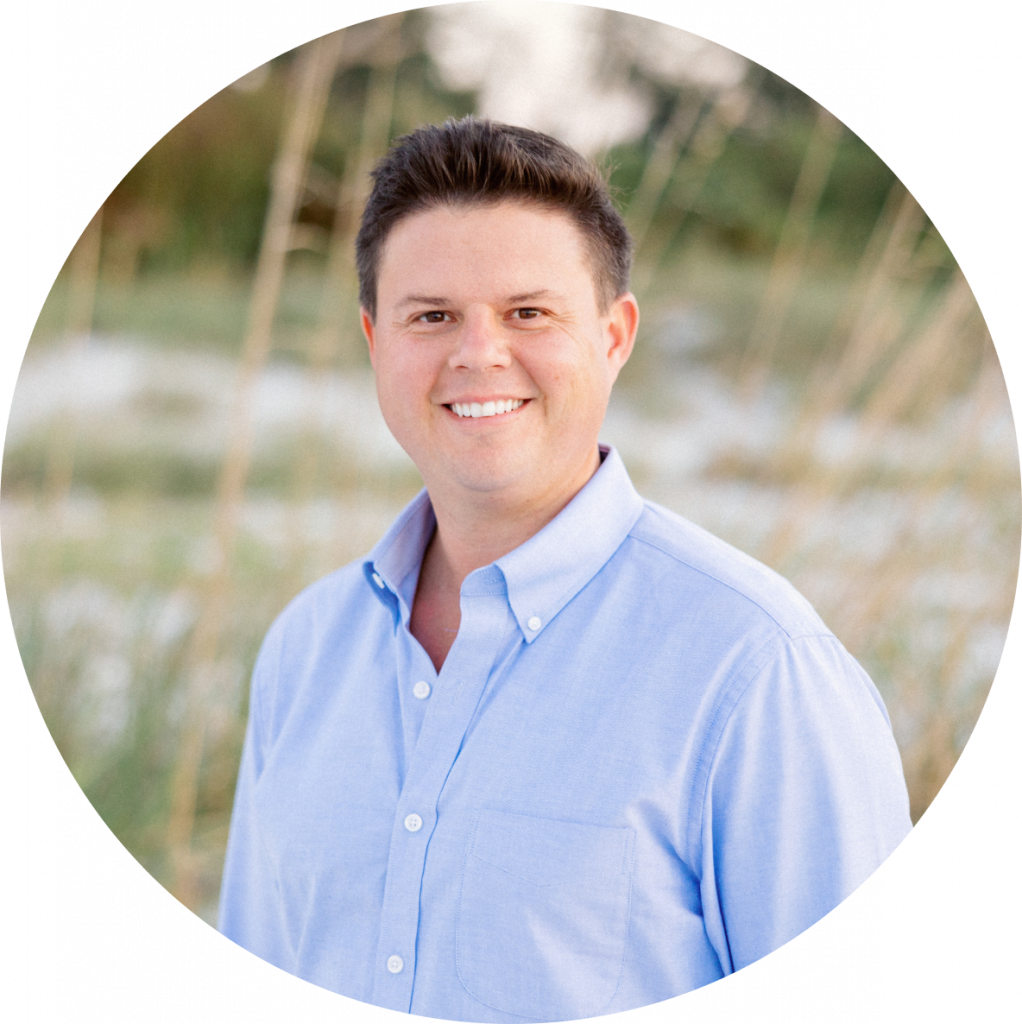
Meet Dr. Barnett
Dr. Zach Barnett leads Align Foot & Ankle with a simple idea: patients deserve unhurried visits, clear answers and treatment built around their goals.
As a podiatrist and foot and ankle surgeon who graduated from Temple University School of Podiatric Medicine, Dr. Barnett sees the Achilles tendon from both the non-surgical and the surgical side. His options for it run from in-office shockwave therapy, laser therapy and PRP injections to Achilles repair when a tendon needs it. He takes the time to explain what each option does and why he is suggesting it, so you can choose your path with confidence.
How to get started
1
Reach a real person. Call, text or email our office and you’ll talk with someone on our team, not a phone tree.
2
Meet Dr. Barnett. Your first visit is one-on-one with him, and he’ll get to the root of what’s going on.
3
Get your treatment plan. Dr. Barnett lays out good, better and best options so you can choose what fits your life.
Frequently asked questions
If you are weighing shockwave therapy for your Achilles, these answers cover whether it fits, how it feels, how sessions are planned and when it may start to help.
It can be, especially for Achilles pain that has lingered despite rest, stretching or a change of shoes. Shockwave is used most for long-standing tendon problems at the heel and along the tendon. Dr. Barnett will examine your Achilles and tell you whether it is a good fit, so give our office a call.
Many patients describe a strong tapping or pulsing over the tendon. It can feel uncomfortable during the session, and the strength can be adjusted as you go. Sessions take place in the office, and patients usually walk out on their own afterward. Reach out if you would like to know more before your visit.
It depends on your tendon and how it responds. Shockwave is usually given as a series of short visits spread over several weeks, and Dr. Barnett will tell you what he recommends once he has examined you. Call us to talk through what a plan could look like.
It varies. Some patients notice less pain soon after a session, while the tendon’s own repair usually builds more gradually over the weeks and months that follow. Dr. Barnett will talk through what to expect for your tendon at your visit, so call our office with any questions.

What is shockwave therapy for the Achilles tendon?
Shockwave therapy, also called extracorporeal shockwave therapy or ESWT, is a non-invasive treatment that sends pulses of sound wave energy through the skin and into the irritated part of the Achilles tendon. It is delivered with a handheld applicator over a layer of gel, with no incision and no needle. The pulses are thought to increase blood flow and restart the body’s repair response in tendon tissue that has stalled.
It is most often considered for long-standing Achilles tendon pain, known as tendinopathy, either where the tendon attaches to the heel or along the cord just above it. Many people who look into it have already tried rest, stretching, new shoes or physical therapy and want a next step that is still short of surgery. Shockwave is generally not used on a torn tendon, so the first step is a clear diagnosis.
How shockwave therapy works at our St. Petersburg office
Your first visit is a one-on-one appointment with Dr. Barnett. He asks about how the pain started, what you have already tried and the medications you take, because shockwave is not the right choice for everyone. He examines the tendon, and when the exam calls for it, imaging helps rule out a tear or other damage before shockwave goes on the table as an option.
If shockwave is a fit, treatment happens right here in the office, and you head home the same day. Because shockwave is usually given as a series of visits, it helps to have it close to home. The office is on Pasadena Avenue South near HCA Florida Pasadena Hospital, close to Gulfport, South Pasadena and St. Pete Beach, and patients also travel from across the bay to see a specialist. Same-day and next-day appointments are often available.

Getting the most from shockwave for your Achilles
Shockwave is meant to set a repair process in motion, and what you do between and after sessions helps it along. Some soreness or redness over the tendon is common afterward and usually settles on its own. Dr. Barnett will tell you which activities to ease off while the tendon responds, which often means pausing hard, high-impact training for a stretch.
Many plans also pair shockwave with calf and tendon strengthening you do at home, and Dr. Barnett can refer you to physical therapy when that would help. When you are ready to get back to pickleball, golf or a run along the water, he will help you build back up step by step, so the work you put in has a better chance of lasting.