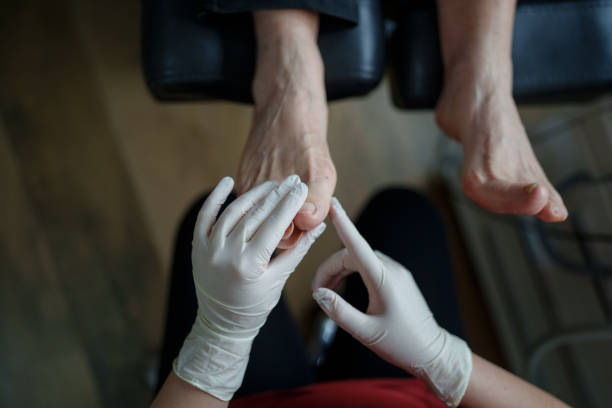
Diabetes affects more than blood sugar levels. Over time, it can impact circulation, nerve function, and the body’s ability to heal. The feet are particularly vulnerable. Small cuts, pressure points, or blisters that might seem minor can quickly become serious if not treated properly.
At Align Foot and Ankle in St. Petersburg, diabetic foot care is a critical part of protecting long term mobility and overall health. Many patients are unaware of how quickly complications can develop without routine monitoring and preventive care.
This article explains why diabetic foot care matters, what warning signs to watch for, and how working with a podiatrist can significantly reduce the risk of infections and long term damage.
How Diabetes Affects the Feet
Diabetes can cause two major issues that directly impact foot health: neuropathy and reduced circulation.
Neuropathy refers to nerve damage that reduces sensation in the feet. When feeling is diminished, patients may not notice small cuts, blisters, or areas of irritation. Without awareness, these minor injuries can worsen over time.
Reduced circulation is another concern. When blood flow is limited, wounds heal more slowly. This increases the risk of infection and can lead to more serious complications if left untreated.
Pressure points also become a factor. Changes in foot structure, combined with decreased sensation, can create areas of repeated stress. Over time, these pressure points may develop into ulcers.
Regular foot evaluations allow a podiatrist to identify early warning signs. Subtle changes in skin color, temperature, or texture can signal underlying problems that require attention. With proper care, many serious complications can be prevented.
Daily Habits That Protect Diabetic Feet
Consistent daily care is one of the most effective ways to prevent serious foot complications. Patients managing diabetes should make foot checks part of their regular routine.
Start by inspecting the feet every day. Look for redness, swelling, cracks, blisters, cuts, or drainage. Using a mirror or asking a family member for help can make this easier. Even small changes deserve attention.
Keeping the feet clean and dry is essential. Wash gently with lukewarm water, dry thoroughly between the toes, and apply moisturizer to prevent cracking. Avoid applying lotion between the toes, as excess moisture can increase the risk of fungal infection.
Nail care is another important step. Trim nails straight across and avoid cutting them too short. Improper trimming can lead to ingrown toenails, which may become infected.
Footwear also plays a major role in prevention. Shoes should fit properly without tight pressure points. Soft interior linings reduce friction, and supportive soles improve stability. Patients who have areas of high pressure may benefit from custom orthotics designed to distribute weight more evenly.
Small daily habits add up. By staying attentive and proactive, patients reduce the risk of minor issues turning into serious wounds.
Recognizing Early Warning Signs
Early detection is critical in diabetic foot care. Warning signs should never be ignored, even if they appear minor.
Persistent redness, swelling, warmth, or drainage may indicate infection. Skin that appears darker or discolored can signal circulation problems. Numbness or tingling may suggest worsening neuropathy.
Changes in foot shape or new pressure areas can also increase risk. When sensation is reduced, patients may not feel discomfort until the condition has progressed.
If a wound does not begin to improve within a short period, professional evaluation is necessary. Delaying care increases the likelihood of complications.
A podiatrist can assess circulation, nerve function, and wound severity. Early treatment dramatically improves outcomes and helps preserve mobility.
The Importance of Professional Wound Care
When wounds develop, specialized care is essential. Proper wound management involves cleaning, debridement when needed, infection control, and pressure reduction.
At Align Foot and Ankle in St. Petersburg, patients receive careful monitoring throughout the healing process. Treatment plans are customized based on wound size, location, and the patient’s overall health.
Offloading techniques, such as specialized footwear or devices, help relieve pressure on the affected area. In some cases, advanced wound therapies may be recommended to promote healing.
Ongoing follow-up ensures progress is tracked and adjustments are made as needed. This structured approach reduces the risk of complications and supports faster recovery.
Professional wound care is not just about treating a current issue. It is about preventing recurrence and protecting long term foot health.
Long Term Protection and Ongoing Monitoring
Managing diabetic foot health is not a one time effort. It requires consistency, routine evaluations, and open communication with a healthcare provider. Even when no visible wounds are present, regular podiatric visits play a vital role in prevention.
During routine appointments, a podiatrist evaluates circulation, nerve sensation, skin integrity, and structural alignment. These assessments help detect subtle changes before they become serious concerns. Pressure mapping and footwear evaluations may also be part of long term management, especially for patients with recurring pressure points.
Education is another key component. Understanding how blood sugar control affects healing, how to properly trim nails, and how to select supportive footwear empowers patients to protect their own health. When patients know what to look for, they are more likely to seek help early.
For many individuals, consistent professional monitoring significantly lowers the risk of severe infections and complications. Early action and preventive strategies allow patients to maintain independence and mobility for years to come.
Call to Action
If you or a loved one is managing diabetes, proactive foot care is one of the most important steps you can take to prevent complications. Even small concerns deserve professional evaluation.
At Align Foot and Ankle in St. Petersburg, Dr. Barnett provides comprehensive diabetic foot care and wound management with a focus on prevention, education, and long term protection.
To learn more or schedule an appointment, visit the Align Foot and Ankle website or explore their Google Business Profile. Consistent monitoring today can help protect your mobility tomorrow.
FAQs
Q: How often should diabetic patients see a podiatrist?
Most patients benefit from routine foot evaluations at least once or twice a year, though frequency may increase if complications are present.
Q: What should I do if I notice a small cut on my foot?
Clean the area gently, monitor it closely, and seek professional care if it does not show improvement quickly.
Q: Can proper footwear really prevent diabetic foot problems?
Yes. Supportive footwear and custom orthotics can reduce pressure points and lower the risk of skin breakdown.