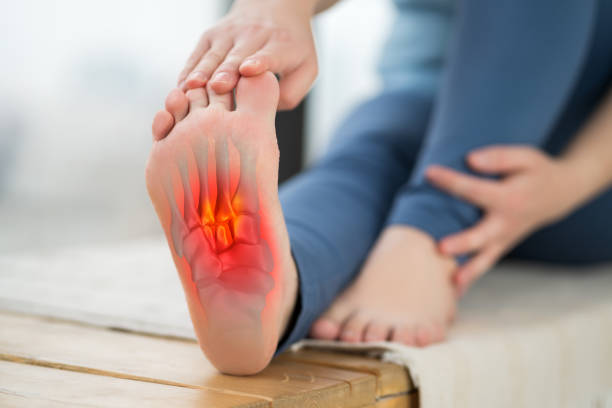
Heel pain is one of the most common reasons people seek care from a foot specialist. It can start as a mild discomfort and gradually become more noticeable, especially during the first steps in the morning or after long periods of standing. Left untreated, heel pain can begin to affect daily routines, exercise habits, and overall mobility.
At Align Foot and Ankle in St. Petersburg, patients frequently come in with heel pain that has been lingering for weeks or even months. Many are surprised to learn that the cause is often treatable with the right approach.
This article explains the most common causes of heel pain, how symptoms develop over time, and what treatment options are available to restore comfort and prevent recurrence.
The Most Common Causes of Heel Pain
Heel pain can stem from several underlying conditions, each affecting the foot in a different way. One of the most frequent causes is plantar fasciitis. This condition involves inflammation of the plantar fascia, a thick band of tissue that supports the arch and connects the heel to the toes. Repetitive stress or poor support can cause small tears, leading to pain that is often worse in the morning.
Another common cause is Achilles tendonitis. This occurs when the tendon that connects the calf muscles to the heel becomes irritated or inflamed. It is often seen in individuals who increase activity levels suddenly or who wear footwear that does not provide proper support.
Heel spurs may also contribute to discomfort. These are small bony growths that develop over time due to prolonged strain on the foot. While not always painful on their own, they are often associated with plantar fasciitis.
Other possible causes include stress fractures, nerve irritation, and fat pad thinning. Each of these conditions requires a different approach to treatment, which is why proper evaluation is important.
Understanding the cause of heel pain is the first step toward effective treatment. Without addressing the underlying issue, symptoms may continue or worsen over time.
Effective Treatment Options for Heel Pain
Treating heel pain begins with identifying the underlying cause, but many patients benefit from a combination of conservative therapies that reduce inflammation and support healing.
One of the first steps is reducing strain on the affected area. This may involve modifying daily activities, avoiding prolonged standing, or temporarily limiting high impact exercise. Rest allows irritated tissues to recover and prevents further damage.
Stretching is another key component of treatment. Tight calf muscles and limited flexibility can increase tension on the plantar fascia and Achilles tendon. Regular stretching exercises help improve mobility and reduce stress on the heel.
Supportive footwear plays a major role in recovery. Shoes with proper arch support and cushioning help distribute pressure more evenly and protect the heel during movement. For patients with structural imbalances, custom orthotics may be recommended to provide targeted support and improve alignment.
Additional treatments may include anti inflammatory strategies, bracing, or physical therapy. In more persistent cases, advanced options such as targeted injections or other procedures may be considered to promote healing.
A personalized treatment plan ensures that each patient receives the care that best matches their condition and lifestyle.
Preventing Heel Pain from Returning
Once heel pain improves, prevention becomes the next priority. Without proper habits, symptoms can return and become more difficult to manage over time.
Maintaining flexibility is essential. Regular stretching of the calves and arches helps prevent tension from building in the tissues that support the heel. Strengthening exercises can also improve stability and reduce the risk of strain.
Footwear should be evaluated regularly. Worn out shoes lose their ability to support the foot and absorb impact, increasing the likelihood of irritation. Choosing shoes that fit properly and provide adequate support is one of the most effective preventive measures.
Gradually increasing activity levels is also important. Sudden changes in exercise intensity can overload the foot and lead to injury. Building up slowly allows the body to adapt safely.
For individuals who have experienced recurring heel pain, periodic checkups with a podiatrist can help identify early warning signs and prevent more serious problems from developing.
When to Seek Professional Care
While mild heel pain may improve with rest and basic care, persistent symptoms should not be ignored. If discomfort lasts more than a few days, worsens over time, or interferes with daily activities, a professional evaluation is recommended.
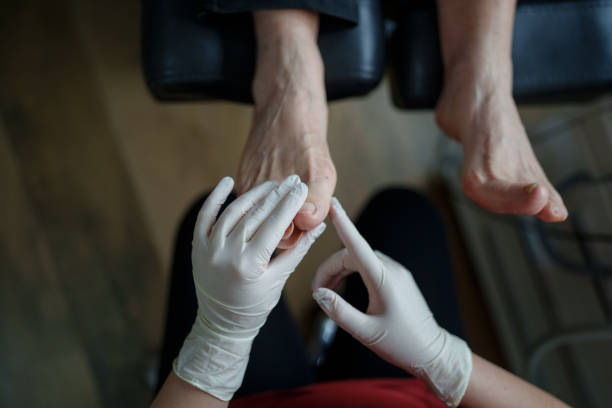
At Align Foot and Ankle in St. Petersburg, patients receive a detailed assessment to determine the exact cause of their heel pain. This may include a physical examination, gait analysis, and imaging if needed.
Early treatment leads to better outcomes. Addressing the condition before it progresses helps reduce recovery time and lowers the risk of complications.
Patients who seek care early often find that conservative treatments are enough to resolve the issue. Waiting too long can allow the condition to worsen, making treatment more complex.
Recognizing when to seek help is an important step in protecting long term foot health and maintaining an active lifestyle.
Long Term Relief and Ongoing Foot Health (approx. 300 words)
Heel pain often develops gradually, but long term relief comes from consistent care and attention to the underlying cause. Once symptoms improve, maintaining healthy habits is key to preventing future discomfort.
Regular stretching helps keep the plantar fascia and surrounding muscles flexible. This reduces tension and lowers the chance of reinjury. Strengthening exercises can also support proper alignment and improve overall stability.
Footwear should continue to be a priority. Choosing supportive shoes for daily activities helps distribute pressure evenly across the foot. For individuals who benefit from custom orthotics, consistent use can prevent the return of symptoms and improve comfort over time.
Monitoring how your feet respond to activity is another important habit. If soreness begins to return, making small adjustments early can prevent a full recurrence of pain. This may include reducing activity temporarily or modifying footwear.
Ongoing care with a podiatrist provides an added layer of protection. Periodic evaluations allow for early detection of changes in foot mechanics or pressure patterns, helping patients stay ahead of potential problems.
Call to Action
If heel pain is affecting your daily routine, getting the right diagnosis and treatment can make a significant difference. Addressing the problem early helps restore comfort and prevents long term complications.
At Align Foot and Ankle in St. Petersburg, Dr. Barnett provides personalized care for patients dealing with heel pain and other foot conditions. His approach focuses on identifying the cause of discomfort and creating treatment plans that support lasting relief.
To learn more or schedule an appointment, visit the Align Foot and Ankle website or explore their Google Business Profile. Taking action now can help you return to your normal activities with confidence.
FAQs
Q: What is the most common cause of heel pain?
Plantar fasciitis is the most common cause, often linked to repetitive strain and lack of proper support.
Q: How long does it take for heel pain to improve?
Many cases improve within a few weeks with proper care, though more severe conditions may take longer.
Q: Can heel pain go away on its own?
Mild cases may improve with rest, but persistent pain should be evaluated to prevent worsening symptoms.